In this essay
For years, most banks treated the mobile wallet question as a distribution choice: support Apple Pay, Google Pay, Samsung Pay, or build a lighter in-app card experience.
That framing is now too narrow.
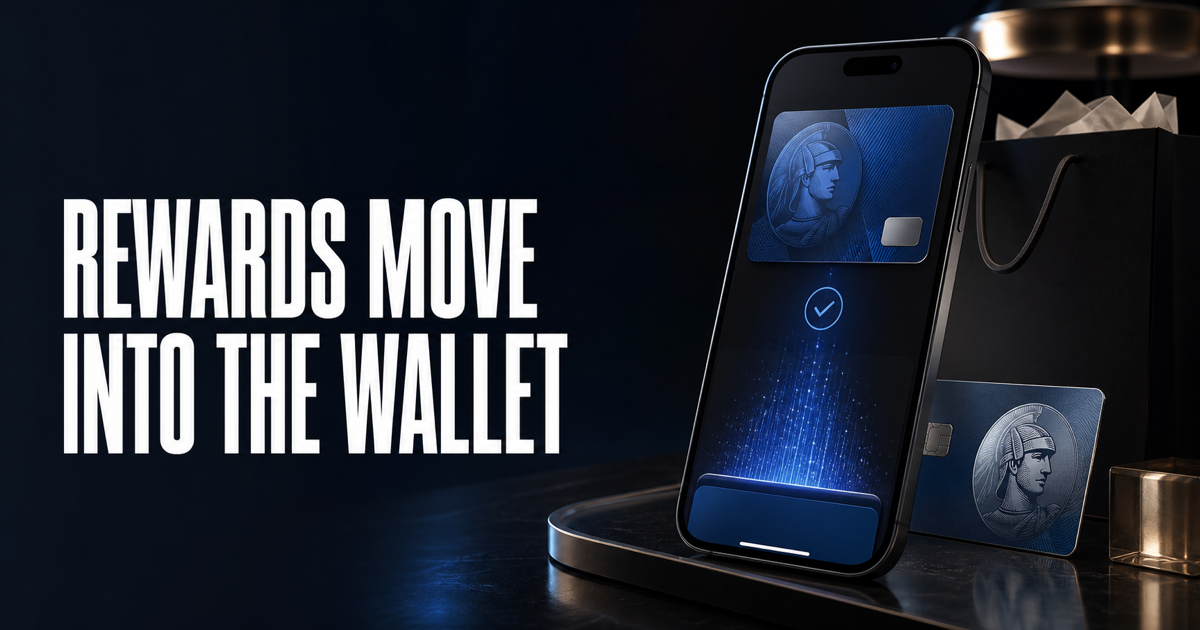
On 15 July 2026, Mastercard introduced Mastercard Wallet Services, a set of software tools and services intended to help banks, fintechs, merchants, and digital platforms build wallet capabilities across iOS and Android. The important detail is that card issuers are getting a more realistic path to own wallet experience without owning every layer of tokenization, secure element, certification, and platform-specific complexity.
The Short Answer
Mastercard Wallet Services turns digital wallets into an issuer operating model. A bank or fintech still has to own the cardholder proposition, risk policy, token lifecycle, device recovery, fraud handling, support, and measurement. The network can simplify the technical path, but the product work remains a full card-programme discipline.
That distinction matters. A wallet launch is easy to announce and hard to operate.
What Changed
Mastercard says the new service includes a Secure Element applet and SDKs for Android and iOS environments. Its developer page describes Mastercard Wallet Services as a way to enable wallet providers to offer contactless payment capabilities across mobile platforms.
The timing is not accidental.
Apple has been opening access to iPhone contactless capabilities in a controlled way. Apple says its NFC and Secure Element platform lets authorized developers securely add, store, and present contactless cards from within iOS apps, separate from Apple Pay and Apple Wallet.
That creates a different market structure. Android has long allowed multiple wallet experiences. iOS is becoming more open, but still governed. The issuer now faces a practical question: if the bank can put tap-to-pay inside its own app, should it?
The answer is "yes only if the wallet strengthens a business outcome the bank can measure."
The Product Is Not The Tap
The tap is the visible moment. The product is everything around it.
A serious issuer-wallet build has at least eight operating surfaces:
- eligibility and cardholder enrollment;
- card digitization and token provisioning;
- device binding and secure element access;
- default-wallet and preferred-payment behavior;
- token lifecycle across card replacement, device replacement, and account closure;
- fraud monitoring, disputes, and chargeback evidence;
- customer support when a tap fails at the terminal;
- measurement of active wallet users, repeat usage, approval rate, fraud, and retention.
The easiest mistake is to ship the contactless experience and call the programme done. That creates a nice demo and an unresolved operating model.
For issuers, the valuable question is more specific: what can the bank's own wallet do that a generic wallet cannot?
Maybe it connects rewards, installments, controls, virtual cards, corporate approvals, or merchant-funded offers. Maybe it gives a fintech more room to design the everyday money experience.
But the issuer must prove that differentiated value. Otherwise, it is asking customers to change payment behavior for no obvious gain.
Tokenization Becomes The Control Plane
This is why network tokenization moves from infrastructure detail to product strategy.
Mastercard Digital Enablement Service has been the foundation for large-scale tokenized digital payments since 2014. Wallet Services sits on top of that broader tokenization reality. The issuer-wallet team is deciding how a credential is represented, where it can be used, what device it is bound to, how it is suspended, and how it survives card reissue.
Those choices affect fraud, authorization rate, customer support, lifecycle cost, and cardholder trust.
The right dashboard therefore should not stop at "wallet enrollments." It should include:
- token provisioning success rate;
- first successful tap after provisioning;
- active token rate after 7, 30, and 90 days;
- issuer decline rate by tokenized vs non-tokenized transactions;
- fraud and dispute rate by wallet type;
- support tickets per 1,000 active wallet users;
- device replacement recovery time.
If those metrics are not owned, the wallet team is flying on app downloads.
Issuers Need A Wallet P&L
A bank-owned wallet has to earn its place.
There are only a few defensible P&L cases:
- It increases cardholder engagement and top-of-wallet behavior.
- It improves retention through rewards, controls, or embedded banking value.
- It lowers fraud or operational cost through cleaner token lifecycle management.
- It creates a merchant or ecosystem proposition that third-party wallets do not provide.
- It enables a card programme that needs first-party controls, such as youth, business, expense, or agent-bound credentials.
The weaker case is "we need our own wallet because competitors have one." That is roadmap imitation, not product strategy.
Issuers should define the wallet promise before picking the implementation path. A mass debit portfolio, a premium rewards card, a corporate expense product, and a fintech prepaid programme do not need the same wallet.
The Operating Risk Moves Back To The Issuer
Network and platform tooling can lower technical barriers. It does not remove issuer accountability.
When a cardholder cannot provision the card, who fixes it? When the device is lost, who suspends tokens? When an issuer risk model approves the card but the wallet flow fails, who reconciles the evidence? When a card is reissued, who guarantees the token state? When a merchant says the contactless tap worked but the customer says it did not, what trace does support read?
Those are not edge cases. They are the daily work of a wallet at scale.
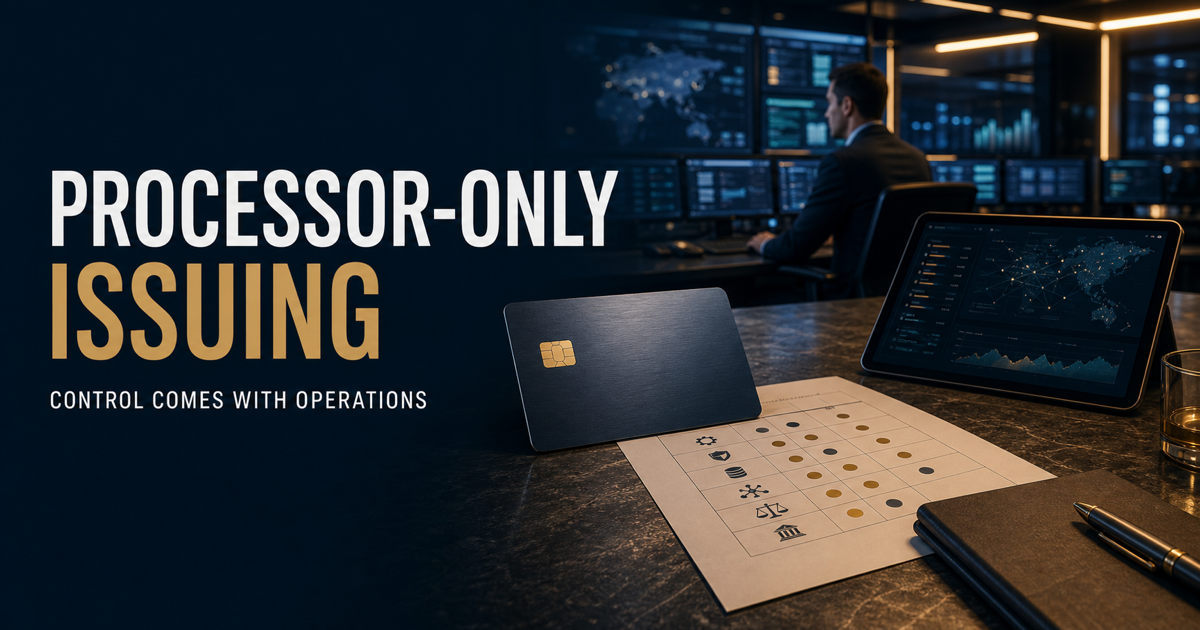
This is similar to the lesson in processor-only issuing: control is useful only when the organisation is ready to operate the controls.
What I Would Ask Before Launch
Before a bank or fintech commits to its own contactless wallet, I would ask five questions.
First, what unique customer behavior will this wallet create that Apple Pay or Google Pay does not already capture?
Second, which credential states are in scope: active, suspended, replaced, expired, disputed, device-lost, account-closed, and fraud-watch?
Third, what is the first measurable success threshold: active users, tap frequency, rewards engagement, approval lift, lower support cost, or retained card spend?
Fourth, who owns wallet incidents: digital, card operations, fraud, contact center, vendor management, or scheme operations?
Fifth, what is the kill criterion? If wallet adoption is shallow after two quarters, the team should know whether to iterate, narrow, or stop.
Operator Takeaway
Mastercard Wallet Services is a useful signal: wallet competition is moving from closed mobile ecosystem access to issuer and fintech execution quality.
That is good news for banks that have a real wallet thesis. It is uncomfortable news for banks that only want a branded tap screen.
The debate point: if a bank cannot name the specific cardholder behavior its own wallet will change, should it build one at all, or should it invest the same energy into better tokenized cards, controls, rewards, and support inside the wallets customers already use?
Talk to me about card-programme and wallet operating models or explore related work on payment infrastructure and merchant onboarding controls.
Closing thought and further reading
Mastercard Wallet Services is not just another SDK. It turns issuer wallets into a tokenization, secure element, lifecycle, and support operating model.
Ideas that continue the thread.
View all essays
Building through similar complexity?
Discuss the operating decisions behind the essay, or explore where my experience can help.