In this essay
A guest cancels a reservation and receives a confirmation email. Their banking app still shows an amount connected to the hotel. The guest asks for a refund. The receptionist sees a cancelled booking and assumes the money will resolve itself.
The next action depends on what happened to the payment. There may be no financial transaction to reverse, an uncaptured authorization to cancel, a captured deposit to refund under the applicable terms, or an operation whose outcome is still unknown.
This article follows a fictional hotel reservation. It explains state and evidence, not a universal hotel cancellation policy. The booking channel, merchant of record, accepted rate conditions and applicable requirements determine the commercial decision.

Start with the booking and the payment separately
Record the reservation reference, cancellation decision, relevant terms and the organization responsible for collecting payment. A guest may have booked directly or through a travel intermediary. The hotel should not promise a refund from an account it does not control.
Then find the financial records linked to that booking. An authorization for an incidental hold may be separate from a prepaid room charge. A deposit and a later balance payment may also be different transactions. One booking reference can therefore lead to several payment records with different permitted actions.
Match each record using the actual provider reference, merchant account, amount and currency. The guest's bank description can help locate it, but the description alone may not identify whether the amount is pending or posted. Ask for evidence through the approved support process without collecting full card details.
Route by the current financial state
The following examples assume the hotel has established the commercial action it is authorized to take. Cancellation terms must be resolved before an operator chooses an amount simply to close the case.
| Current evidence | Possible next action under the integration | What the confirmation should distinguish |
|---|---|---|
| Reservation exists, no payment or hold recorded | Cancel the reservation and investigate any conflicting evidence | Booking cancellation is confirmed; no refund operation has been identified |
| Authorization exists and remains uncaptured | Request the supported authorization cancellation | Cancellation request, provider result and disappearance of the guest's hold |
| Deposit has been captured | Submit the approved refund amount against that payment | Approved refund, submitted operation and its financial outcome |
| Capture or previous refund result is unknown | Retrieve the original state before another action | The booking is cancelled while the financial result remains under investigation |
| Payment was collected by an intermediary | Follow the agreed merchant-of-record process | Who owns the payment case and how the guest will receive an update |
Adyen's cancellation operation applies before capture. Stripe similarly directs a PaymentIntent in requires_capture toward cancellation rather than refund. These are provider-specific rules that illustrate the distinction; they do not define every hospitality payment arrangement. Adyen cancellation Stripe refunds and uncaptured payments
Work through a deposit example
Suppose the fictional guest reserved a room with a captured deposit of 180 units. The hotel authorizes a full deposit refund after reviewing the accepted terms. The reservation system marks the booking cancelled, and the payment team submits one 180-unit refund linked to the original charge.
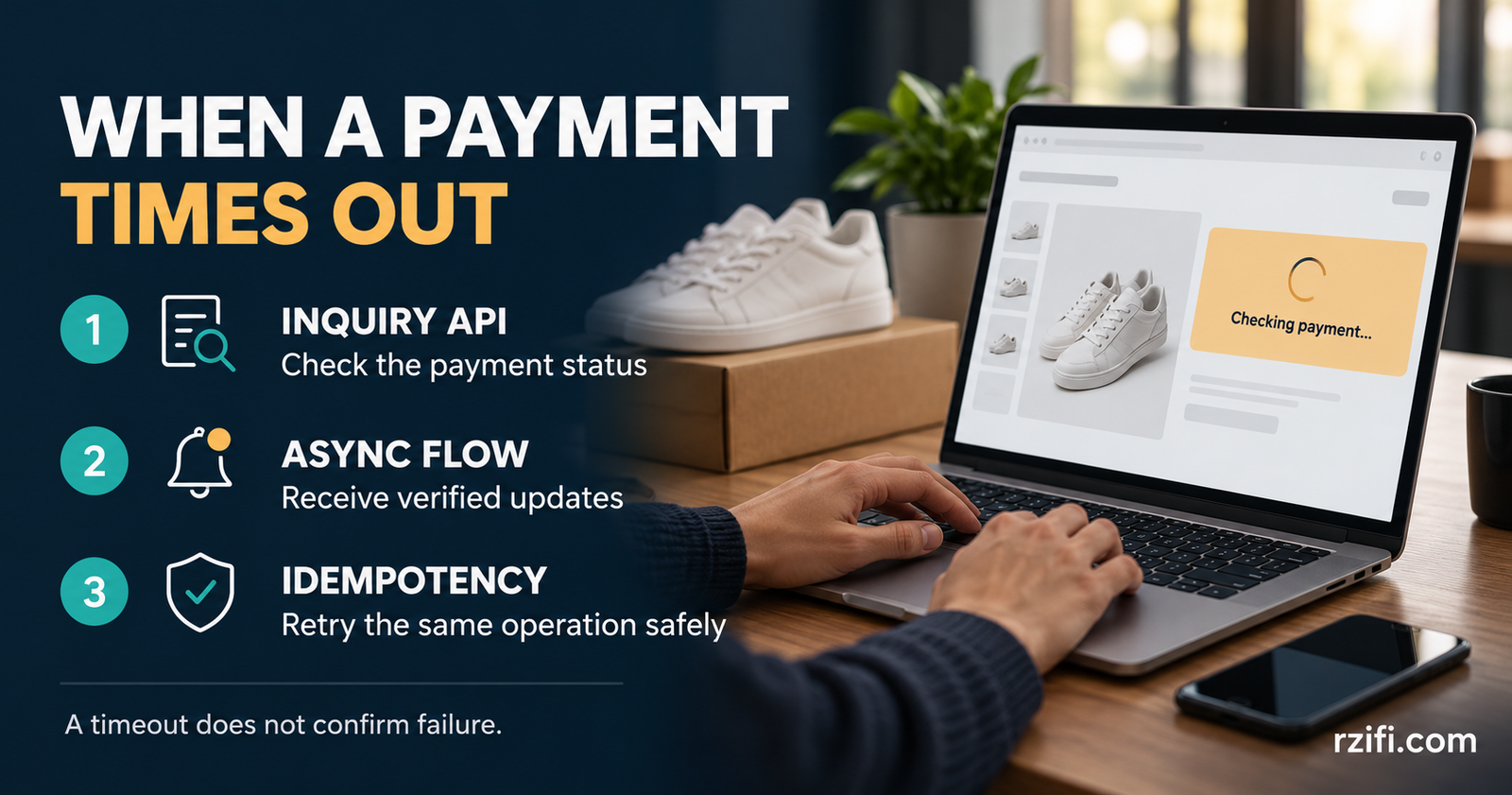
The connection times out. The booking cancellation still stands, but the refund result is unknown. A second employee must not interpret that timeout as proof that no refund exists. Retrieve the original operation using its supported reference and retry contract.
Now change one fact: the 180 units were authorized but never captured. The team should follow the supported authorization-cancellation path instead of pretending that captured money must be refunded. The customer-facing explanation should describe a hold release, with timing based on the actual provider and issuer process rather than a fabricated deadline.
Change another fact: the guest paid through an intermediary. The hotel's internal cancellation record does not establish that the intermediary has received or completed a payment instruction. Preserve an explicit handoff and a responsible contact under the existing agreement.
Build one recovery path for each payment record
Record the accepted terms, permitted amount and payment owner.
Inspect the original provider operation. Do not infer it from the booking label.
Track the cancellation result and explain the hold separately.
Link one refund operation to the original charge and track its result.
Resolve the original operation, then classify it again. Do not create another financial action.
Resolve conflicting guest evidence or hand the case to the actual payment owner.
State the booking result and financial result separately, with the remaining owner and next update.
The branches are alternatives. An unresolved branch cannot be reported as a completed refund or released hold.
Protect the boundary between front desk and payments
The front desk needs a view that shows the booking decision and the latest verified financial stage. It should not need to memorize processor terminology to avoid misleading the guest. The payment team needs the commercial decision and original references, not an instruction that merely says "cancel this customer."
Use separate permissions for changing a reservation, cancelling an authorization and issuing a refund. A staff member authorized to free a room is not automatically authorized to return any amount to any destination. The same distinction applies to automated workflows acting on a booking-cancelled event.
For a captured deposit, preserve the approved amount and reason even when it is less than the original payment. Do not hide a cancellation fee by rewriting the captured amount. The reservation decision, financial instruction and retained amount should be explainable from the case record.
Test the late and conflicting events
Before releasing the workflow, test a capture completing while cancellation is requested, a lost cancellation response, a duplicate booking event and a refund result arriving after support has escalated the case. These are proposed integration tests, not claims about the behavior of a particular hotel or provider.
Each test should establish which system owns the final decision and which original operation is queried. Use the payment inquiry guide for uncertain responses and the merchant launch checklist for broader refund cases. Run disruptive tests in an appropriate test environment.
The guest's final update should answer two questions: is the reservation cancelled, and what happened to the associated hold or payment? Keeping those answers separate gives support a precise way to resolve the case without promising money that has not yet been verified.
Primary documentation checked on 25 October 2026. Amounts and booking terms are illustrative; payment-method support and financial timing depend on the actual arrangement.
Closing thought and further reading
A booking can be cancelled while a hold, deposit or refund still needs attention. Give the guest a clear account of each state instead of one ambiguous confirmation.
Ideas that continue the thread.
View all essays
Need help applying this to your business?
Explore practical support for payment operations, product decisions, program delivery and AI automation, grounded in the challenges behind this essay.