Instant Payment Operations: Finality, Exceptions and 24/7 Readiness
An instant rail changes processing hours and response expectations. It does not remove timeouts, returns, fraud controls, liquidity needs, or operational ownership.
In this essay
Instant payment schemes differ in participation, settlement, customer availability, return procedures, and operating rules. Build a rail-specific rule sheet before launch; do not assume that “instant,” “final,” “recall,” or “return” means the same thing everywhere. For example, the US FedNow Service processes and settles payments within seconds and requires participants to make funds available after settlement notification; Eurosystem TIPS describes final and irrevocable settlement in central bank money. Those are facts about named systems, not universal rules. Federal Reserve FedNow Q&A · ECB: What is TIPS?
Define the states and customer promise
Use separate states for instruction validation, rail submission, rail acceptance, settlement, beneficiary availability, return/reversal, and final reconciliation. Map the actual scheme responses into these states with an owner and next action. A successful API response can mean only that the request was accepted for processing; use the rulebook to know what it proves.
When an API call times out after submission, mark the outcome unknown. Re-query using the original instruction identifier, accept authenticated status notifications, and avoid creating a second transfer until the first outcome is known. Idempotency protects only within the provider's documented scope and retention; it is not a substitute for an inquiry and exception process. See payment idempotency guidelines.
Separate return, recall, and reversal
Do not promise a sender that settled funds can always be pulled back. A scheme may have a return message for a rejected/uncreditable transaction and a separate request-for-return process for a payment already credited. The latter may ask the receiving participant to return funds; it does not necessarily reverse the original settlement or guarantee recovery. Check rulebook timing, reason codes, response expectations, and indemnity terms. The Clearing House RTP operating rules, for example, define a Request for Return of Funds workflow and response expectations; use the current version for RTP-specific handling. RTP operating rules
Represent these as distinct support options: rail return, recall/request for return, customer-to-customer resolution, and legal recovery. Capture the original end-to-end reference, request/response events, participant, reason, amount, and case owner.
Payee checks and fraud controls
Where the local scheme or regulation offers Verification of Payee (VoP) or an equivalent name/account check, treat it as a decision-support signal with its own result categories, consent/notice, and exception policy. Do not describe a match as a guarantee that the payee is trustworthy or that the payment is reversible. The European Payments Council describes VoP as a service checking the payee name and account identifier before a credit transfer; its scope and handling depend on the scheme. EPC Verification of Payee
Apply fraud, sanctions, and other legal checks at the required stage, with escalation coverage outside local business hours. A 24/7 rail does not imply that every support, compliance, treasury, or partner team is staffed continuously. Define which decisions are automated, which can be queued, and which must stop payment pending review under applicable rules.
Fund the service and staff its exceptions
For each currency and settlement location, identify the account or facility that supports outgoing obligations, how incoming funds replenish it, and what happens during delayed inflows, partner outage, or a weekend peak. Alert on usable liquidity and projected shortfall, not just ledger balance. Use threshold/limit controls to pause or route payments before you submit an instruction that cannot be funded. The BIS intraday liquidity guidance recommends measuring expected gross inflows/outflows, monitoring positions, and preparing for disruptions; adapt controls to your role and system.
Create a 24/7 runbook containing rail status links, partner contacts, incident severity, customer wording, escalation on-call, safe pause/queue behavior, and restart reconciliation. Define who owns unresolved unknown outcomes at shift handover.
Example: timeout after submission
A business sends a 500 EUR supplier transfer. The client receives no response because its connection times out. The payment service keeps the original instruction ID, marks it submitted_unknown, and queries the participant endpoint. It receives a delayed settled notification. The ledger posts the settlement once, keyed to the original transfer, and sends one customer confirmation. If the status remains unavailable, support sees a trace case rather than an invitation to retry. This is illustrative: the actual status names and inquiry endpoint are scheme/provider-specific.
Readiness checklist
- Rulebook version, participants, supported currencies/limits, settlement model, and service hours recorded.
- State mapping distinguishes accepted, settled, beneficiary-available, returned, and unresolved.
- Timeout and duplicate-submission recovery tested without duplicate transfer or customer notification.
- Returns versus post-settlement requests for return explained in product and support language.
- Payee-check results and customer warning/override policy reviewed for the local scheme.
- Fraud/compliance review and sanctions escalations have an owner at all hours required by the service.
- Liquidity alert, payment pause, partner outage, and restart reconciliation exercised.
- Fees, settlement accounts, ledger postings, exception case, and customer communication reconciled end to end.
For cash forecasting and prefunding controls, see PSP treasury and prefunding liquidity; for journal examples see ledger design. This guide is not a substitute for the current scheme rulebook or local legal requirements.
Closing thought and further reading
An instant rail changes processing hours and response expectations. It does not remove timeouts, returns, fraud controls, liquidity needs, or operational ownership.
Ideas that continue the thread.
View all essays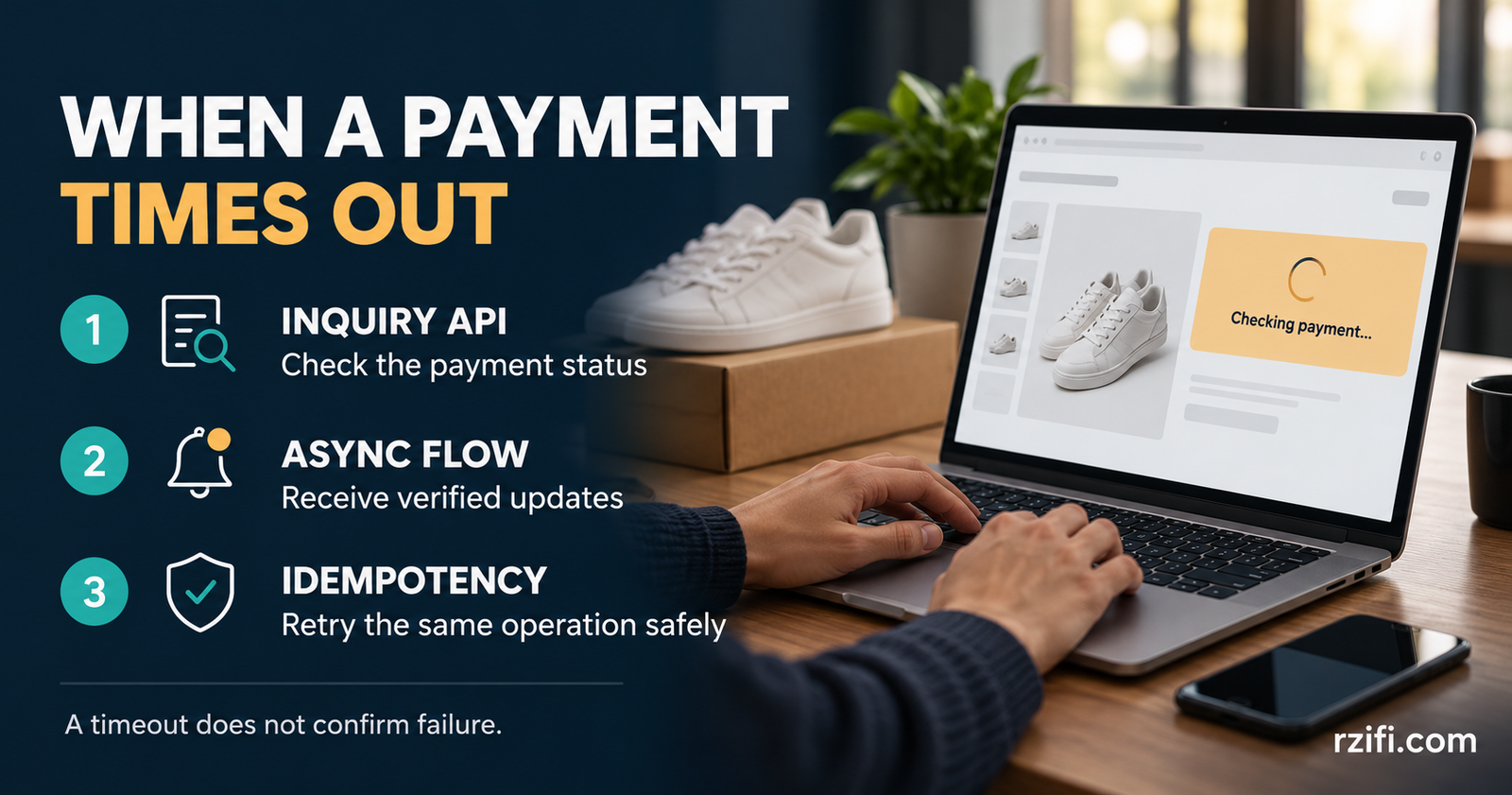


Need help applying this to your business?
Explore practical support for payment operations, product decisions, program delivery and AI automation, grounded in the challenges behind this essay.