Recurring Card Payments: A Lifecycle Guide for Product and Operations Teams
A recurring payment is a customer agreement, stored credential, transaction classification, and failure workflow. Design each state before scheduling the next charge.
In this essay
A recurring card charge depends on more than a saved card number. The merchant needs a valid customer agreement, a stored credential that its provider can use, correct transaction classification, a schedule, safe retry behavior, and a way to stop future charges. A renewal must not be treated as a fresh customer-initiated checkout simply because it uses the same card.
The names and request fields differ by processor and scheme. Adyen's documentation, for example, distinguishes shopper-initiated stored-card use from subscription and unscheduled card-on-file payments, and requires a token and shopper reference for later payments. Use your provider's current contract and scheme rules for the actual values. Adyen recurring token payments
1. Record the agreement and initial payment
At sign-up, make the billing terms understandable before the customer confirms: merchant identity, amount or calculation method, currency, cadence, first charge date, trial or introductory period, variable-charge conditions, cancellation method, and how payment failures are handled. Retain the version of terms shown, timestamp, customer/account reference, consent event, and evidence needed to resolve a later question. Follow privacy and retention rules; do not retain unnecessary card data.
Create the stored credential using a PCI-appropriate provider flow. Store the token reference, provider account, status, customer reference, initial payment reference, scheme/processor credential-on-file classification, and consent record. Do not store CVV for future use. The original customer-initiated transaction may require authentication; exact obligations depend on jurisdiction and payment details. See PSD2 exemptions and MIT treatment.
2. Model subsequent charges accurately
Before each scheduled attempt, confirm the subscription is active, the due date has arrived, the amount and currency are determined by the agreement, and the stored credential is usable. Send the provider's correct recurring or merchant-initiated indicator and the required original transaction link. A cardholder returning to your site to pay with a saved card is a different interaction from a charge initiated by the merchant in the background.
Authentication, authorization, capture, and settlement are separate states. An MIT indicator does not guarantee exemption from SCA in every jurisdiction or issuer acceptance. When the charge is declined, preserve the exact response, whether it is retryable, and any customer action required. Do not translate every decline into “card expired.”
3. Handle failure without creating duplicates
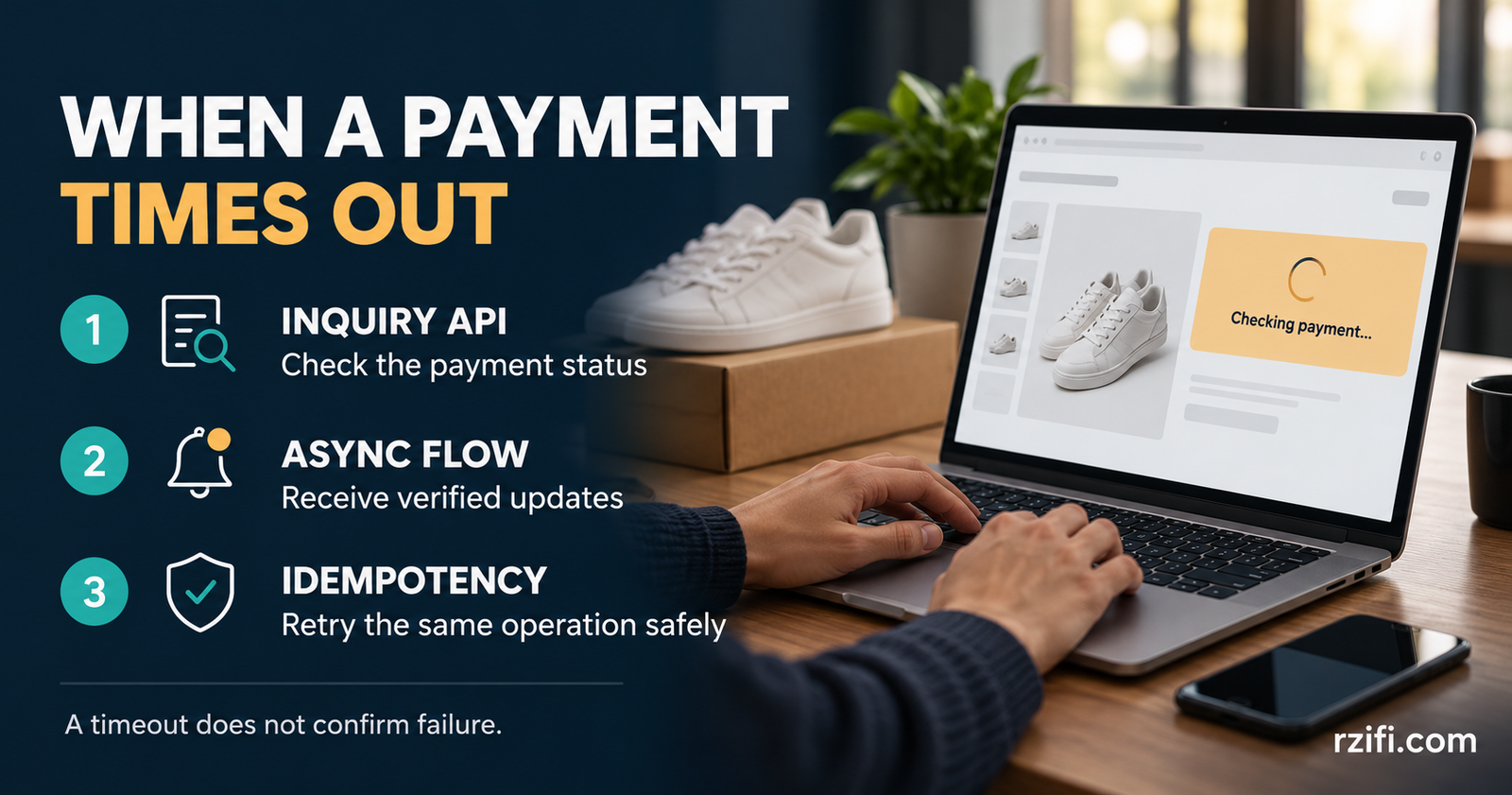
For each scheduled billing intent, create one internal charge record with a unique idempotency key before calling the processor. If the response times out, query the original attempt or wait for a verified asynchronous update before creating another. A retry should be a new attempt linked to the same billing intent, and its timing should follow your provider's rules and the reason for failure. See payment timeouts, inquiry and idempotency.
Use a retry policy with explicit eligibility, backoff, maximum attempts, quiet hours where appropriate, and stop conditions. Avoid repeatedly retrying a hard decline or a response that requires customer action. The customer message should state what failed, when access or service may change, and how to update the payment method. Do not promise that an account updater or network token will always repair an expired/reissued credential; availability and outcomes vary by provider and issuer.
4. Make cancellation and changes stateful
Cancellation must change the billing schedule before another job can enqueue a charge. Record the effective date, whether access continues to period end, any final amount owed, and the customer's confirmation. Handle webhook delays and worker retries so a stale schedule cannot charge after cancellation. For a price, cadence, merchant, or material term change, apply the notice and renewed consent required by the agreement and local law. Never assume an existing stored credential authorizes any future amount.
Credential replacement, customer-requested removal, token suspension, and account closure also need defined states. Reconcile processor token deletion or disablement with your local record and prevent pending jobs from using a revoked credential.
Example monthly renewal
Assume a customer approved a 20 USD monthly plan, authenticated the initial checkout, and consented to future renewal charges. The billing job checks the agreement is active, creates billing intent sub-482 / 2026-11, and stores idempotency key renewal-sub-482-2026-11. It sends one provider request with the saved token, customer reference, required subsequent-payment indicators, amount, and original relationship reference. If the HTTP request times out, the worker marks the attempt unknown and queries the provider using supported references. It does not issue a second charge while the outcome is unresolved. If declined with a customer-action requirement, it notifies the customer and waits; if confirmed authorized, it advances fulfillment and reconciles capture/settlement later. The identifiers are illustrative, not a recommended provider-specific format.
Launch checklist
- Agreement copy, consent capture, cancellation, and price-change rules approved for each market.
- Initial customer-initiated payment, authentication, stored-credential setup, and future MIT mapping tested.
- Payment attempt and billing-intent records distinguish scheduled charge from network retry.
- Timeout, duplicate webhook, declined, soft-decline, token update, cancellation race, and late settlement tested.
- Retry limits and stop conditions reviewed by risk, support, and legal/compliance.
- Customer notifications and self-service payment update/cancel paths are usable.
- Reconciliation connects billing intent, processor attempt, refund, dispute, and bank settlement.
This is an operational design guide, not legal advice. Scheme and SCA requirements vary and change. Validate each processor's current documentation, including its token and recurring model. For related credential controls, see network tokenization lifecycle.
Closing thought and further reading
A recurring payment is a customer agreement, stored credential, transaction classification, and failure workflow. Design each state before scheduling the next charge.
Ideas that continue the thread.
View all essays
Need help applying this to your business?
Explore practical support for payment operations, product decisions, program delivery and AI automation, grounded in the challenges behind this essay.